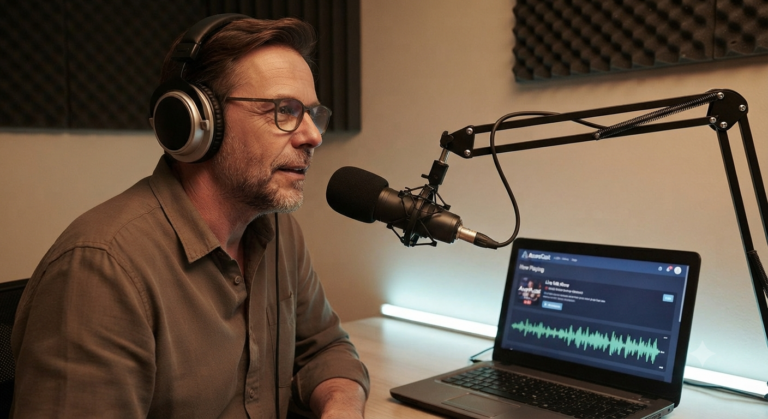


Ever tuned in to a radio show and wondered how the voice behind the mic keeps everything running so smoothly? Behind that effortless flow lies a well-structured process. Yet for many aspiring hosts, getting started with radio hosting feels overwhelming; live broadcasting pressure, and engaging an audience all at once.Without a clear roadmap, it is easy to fumble through shows, lose listeners, or get buried under technical confusion.
We will cover everything from the fundamental concepts and benefits to the essential features to look for in a hosting provider, ensuring your journey into the world of online broadcasting is smooth and successful.
Benefits of Radio Hosting
Radio hosting offers a multitude of advantages over traditional broadcasting methods, making it an attractive option for a diverse range of broadcasters.

Global Reach and Accessibility
One of the most significant benefits of online radio hosting is its ability to transcend geographical boundaries. Unlike traditional radio, which is limited by signal range, an internet radio station can be accessed by anyone with an internet connection, anywhere in the world. This global reach opens up immense opportunities for niche content creators, allowing them to connect with highly specific audiences that might be too small or dispersed for terrestrial radio.
Cost-Effectiveness and Reduced Barriers to Entry
Setting up a traditional radio station involves substantial investment in equipment, licensing, and infrastructure. Radio hosting dramatically lowers these barriers to entry. Many hosting providers offer affordable packages, and some even provide free tiers, making it possible for almost anyone to start broadcasting with minimal upfront costs.
This cost-effectiveness democratizes broadcasting, allowing independent creators and small organizations to compete with larger entities.With radio hosting, you can start broadcasting from your bedroom with just a computer, microphone, and internet connection.
Flexibility and Control
You can schedule programs, automate playlists, and even broadcast live from virtually anywhere. This flexibility allows for dynamic programming, catering to diverse listener preferences and adapting quickly to current events or trends.
Unlike traditional radio, where content is often dictated by strict regulations and commercial interests, online radio offers creative freedom to experiment with formats, genres, and topics. You can pivot your programming strategy based on listener feedback, seasonal trends, or personal interests without the bureaucratic hurdles of traditional broadcasting.
Enhanced Engagement and Interactivity
Many platforms integrate features like chat rooms, social media integration, and listener request systems, allowing for real-time interaction between broadcasters and their audience. This direct engagement builds a stronger community around the station and provides valuable feedback for content improvement.
Listeners can request songs, participate in live discussions, and even contribute content, creating a collaborative broadcasting environment that traditional radio cannot match.
Analytics and Monetization Opportunities
Radio hosting services often come equipped with robust analytics tools, providing valuable insights into listener demographics, popular programs, and peak listening times. This data is crucial for understanding your audience and optimizing your content strategy. You can track which shows perform best, identify your most engaged listeners, and adjust your programming accordingly.
Furthermore, online radio presents various monetization opportunities, including advertising, subscriptions, and listener donations. Unlike traditional radio, where advertising revenue is often controlled by large corporations, online broadcasters have more direct control over their monetization strategies, allowing them to generate income from their passion.
Essential Features to Look for in a Radio Hosting Provider
A good provider offers not just server space but a suite of tools and features that simplify broadcasting and enhance the listener experience. Here are some essential features to consider:
1. Streaming Protocols: Shoutcast and Icecast
At the core of internet radio hosting are streaming protocols, primarily Shoutcast and Icecast. These protocols are responsible for delivering your audio stream to listeners. While both serve the same fundamental purpose, they have some differences:
Shoutcast: Developed by Nullsoft, Shoutcast is a popular and widely used streaming server. It’s known for its ease of use and broad compatibility with various media players. Shoutcast typically supports MP3 and AAC+ audio formats, making it accessible to a wide range of devices and applications.
Icecast: An open-source alternative to Shoutcast, Icecast offers more flexibility and advanced features. It supports multiple mount points (allowing you to stream different content simultaneously) and a wider range of audio formats, including Ogg Vorbis and Opus, in addition to MP3 and AAC+.
Most reputable radio hosting providers offer support for both Shoutcast and Icecast, giving you the flexibility to choose the protocol that best suits your needs and technical requirements.
2. AutoDJ Functionality
AutoDJ is a critical feature for 24/7 broadcasting. It allows your station to play pre-uploaded music and programs even when you are not live. This ensures continuous broadcasting, keeping your audience engaged around the clock. Look for providers that offer robust AutoDJ capabilities with easy-to-use scheduling and playlist management.
A good AutoDJ system should allow you to create multiple playlists, schedule specific tracks for certain times, and seamlessly transition between live broadcasts and automated content. Some advanced systems even offer intelligent playlist generation based on genre, mood, or listener preferences.
3. Control Panel
A user-friendly control panel (such as Centova Cast or AzuraCast) is essential for managing your radio station efficiently. A good control panel provides access to:
•Stream Management: Start, stop, and restart your stream with simple controls
•AutoDJ Management: Upload tracks, create playlists, and schedule programs
•Listener Statistics: Monitor listener numbers, geographical data, and listening trends
•Security Features: Manage passwords and access permissions for different users
•Embed Codes: Generate widgets and players for your website integration
4. Listener Capacity and Bandwidth
Consider the number of simultaneous listeners your hosting plan can accommodate and the amount of bandwidth provided. While unlimited listener and bandwidth plans are ideal, they may come at a higher cost. Choose a plan that aligns with your expected audience size and allows for scalability as your station grows.
It’s important to understand that bandwidth consumption increases with both the number of listeners and the audio quality (bitrate) of your stream. A 128 kbps stream with 100 listeners will consume significantly more bandwidth than a 64 kbps stream with the same audience.
5. SSL Integration
Secure Sockets Layer (SSL) integration encrypts the data transfer between your server and listeners, ensuring a secure and reliable connection. It also helps with search engine optimization (SEO) and builds trust with your audience.
Many modern browsers and devices prefer or require secure connections, making SSL essential for reaching the widest possible audience. Additionally, SSL certificates can improve your website’s search engine rankings and provide listeners with confidence in your platform’s security.
6. Support for Multiple Audio Formats
While MP3 is universally supported, look for providers that support other high-quality audio formats like AAC+ or Ogg Vorbis. These formats offer better audio quality at lower bitrates, which can save bandwidth and improve the listening experience for your audience.
AAC+ is particularly effective for speech-based content, while Ogg Vorbis provides excellent quality for music. Having multiple format options allows you to optimize your stream for different types of content and listener preferences.
7. Customer Support
Reliable customer support is vital, especially if you’re new to radio hosting. Look for providers that offer 24/7 support via multiple channels (live chat, email, phone) and have a reputation for quick and helpful responses. Good support can make the difference between a minor hiccup and a major broadcasting interruption.
8. Uptime Guarantee
An uptime guarantee ensures that your radio station remains online and accessible to listeners. A reputable hosting provider will offer a high uptime guarantee (e.g., 99.9%), minimizing downtime and ensuring a consistent listening experience. This is crucial for building and maintaining listener loyalty.
How to Launch Your Own Online Radio Station: A Step-by-Step Guide
Starting your own online radio station might seem daunting, but with the right guidance, it’s an achievable goal. Here’s a comprehensive step-by-step guide to help you get on air:

Step 1: Define Your Niche and Content Strategy
Before diving into technicalities, clearly define what your radio station will be about. What genre of music will you play? What topics will you discuss? Who is your target audience? A well-defined niche will help you attract and retain listeners.
Consider creating a content calendar that outlines your programming schedule, including live shows, automated playlists, and special segments. Think about what makes your station unique and how you can differentiate yourself from existing stations in your genre or market.
Step 2: Choose Your Radio Hosting Provider
Based on the essential features discussed earlier, select a radio hosting provider that aligns with your budget, technical requirements, and growth aspirations. Consider factors like listener capacity, bandwidth, AutoDJ functionality, and the control panel offered.
Research different providers, read reviews, and consider starting with a trial period if available. Don’t just focus on price – the cheapest option may not provide the reliability and features you need for long-term success.
Step 3: Gather Your Equipment
While you can start with minimal equipment, investing in quality gear will significantly improve your broadcast quality. Here’s a basic setup:
•Computer: A reliable computer with sufficient processing power and storage for your audio files and broadcasting software
•Microphone: A good quality microphone (USB or XLR with an audio interface) is crucial for clear vocals
•Headphones: Closed-back headphones to monitor your audio and prevent feedback
•Internet Connection: A stable and fast internet connection is paramount for uninterrupted streaming
•Audio Interface (Optional): For professional XLR microphones and better audio control
•Webcam (Optional): If you plan to incorporate video into your broadcasts
Step 4: Select Your Broadcasting Software
Broadcasting software allows you to manage your audio, mix different sources, and send your stream to your hosting provider. Popular options include:
•OBS Studio: A free and open-source software for live streaming and recording, suitable for both audio and video
•Butt (Broadcast Using This Tool): A simple, cross-platform tool for streaming live audio
•Mixxx: Free, open-source DJ software that can be used for live radio broadcasting
•Sam Broadcaster: A professional-grade solution with advanced features for automation and management
Step 5: Understand Licensing and Legal Considerations
This is a critical step that many new broadcasters overlook. Broadcasting copyrighted music without proper licenses can lead to serious legal issues. The licensing requirements vary depending on your location and the type of content you broadcast.
Generally, you’ll need licenses from performing rights organizations (PROs) like ASCAP, BMI, and SESAC in the US, or their equivalents in other countries. Some radio hosting providers offer packages that include licensing, simplifying the process. Always research and comply with the relevant copyright laws in your region.
Legal and Licensing Considerations: Quick Reference
| Region | Music Copyright License Required? | Regulatory Authority |
| USA | Yes: ASCAP, BMI, SESAC, SoundExchange | No FCC for online-only |
| UK | Yes: MCPS-PRS, PPL | No Ofcom, but PROs mandatory |
| EU (varies) | Yes: Local PROs (BUMA/STEMRA, GEMA, etc.) | Varies: copyright, not broadcast |
| Other Countries | Usually yes for commercial music, always check locally | Varies |
Step 6: Configure Your Stream and Go Live!
Once you have your hosting, equipment, and software, configure your broadcasting software with the details provided by your hosting provider (server address, port, password). Test your setup thoroughly to ensure everything is working correctly.
Start with test broadcasts to friends or family to get feedback on audio quality and content. Once you’re confident in your setup, it’s time to go live and share your content with the world!
Conclusion
Radio hosting has revolutionized the broadcasting industry, making it more accessible, flexible, and interactive than ever before. It empowers individuals and organizations to share their unique voices and content with a global audience.With the global internet radio market approaching $50B in 2025 and a projected double-digit growth rate, now is the perfect time to launch and share your unique perspective on the airwaves. Start your radio hosting adventure today with us and tune into the future of audio! The airwaves are waiting for your unique voice.