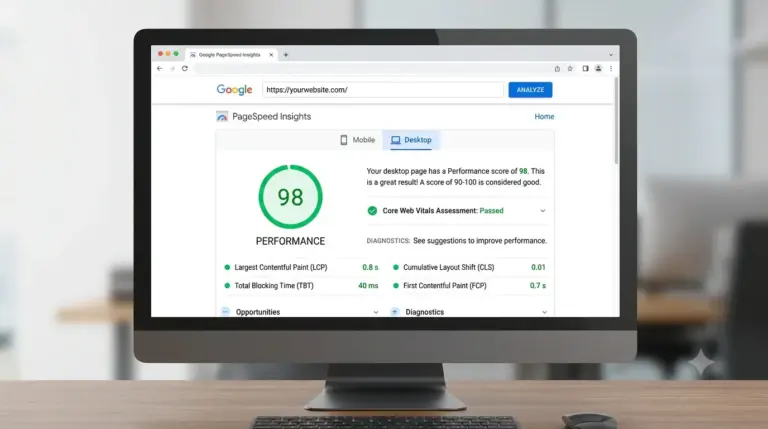


Choosing the right hosting plan has always been a tricky decision for businesses, startups, and bloggers. With 2025 hosting trends showing a shift towards performance-driven solutions, one common question remains: Is VPS hosting really better than shared hosting in 2025? Let’s break it down step by step, answering the key pain points users often raise.
Why Do People Still Consider Shared Hosting in 2025?
Many first-time website owners are attracted to shared hosting because it looks affordable and easy to start with. In shared hosting, multiple websites are stored on the same server, and resources such as bandwidth and storage are shared.
The downside? If one website gets a sudden traffic spike, it can slow down the performance of others. Businesses that need consistent speed and uptime often struggle with this setup, which is where VPS vs shared hosting comparisons become critical.
What Makes VPS Hosting Stand Out?
VPS (Virtual Private Server) hosting creates a separate virtual environment for your website. Unlike shared hosting, you don’t compete with others for resources. That means faster load times, better reliability, and more flexibility.
For those asking if it’s worth paying more, here’s the truth: when performance directly affects sales or user experience, the best VPS hosting option often pays for itself.
How Do 2025 Hosting Trends Influence the Choice?
With AI-driven websites, e-commerce growth, and high mobile traffic, 2025 brings new demands for speed and security. Shared hosting setups may struggle with these advanced needs. Meanwhile, VPS hosting adapts more easily because it allows you to scale resources without moving your website entirely.
This is why many analysts point to hosting industry trends in 2025 as a turning point where VPS hosting becomes the go-to for small to medium businesses.
Is VPS Hosting More Secure Than Shared Hosting?
Security is one of the biggest concerns for website owners. In shared hosting, if one website on the server is attacked, it could potentially affect all others. With VPS hosting, your environment is isolated.
That separation makes it harder for external issues to impact your website. If you’re handling customer data, sensitive transactions, or building an e-commerce platform, VPS hosting is generally the safer bet.
Does VPS Hosting Cost Much More Than Shared Hosting?
The price difference is often a deciding factor. Shared hosting is cheaper upfront, but VPS hosting is more cost-effective in the long run. Think about it like this: when downtime, poor performance, or cyber threats affect your website, you lose more than you save.
If your website is growing or your traffic is unpredictable, investing in the best VPS hosting gives you peace of mind without unnecessary compromises.
Who Should Still Choose Shared Hosting?
Not everyone needs VPS hosting right away. Shared hosting still works fine for personal blogs, very small websites, or beginners who want to test the waters.
However, once your website becomes an essential part of your business, it’s worth re-evaluating. This is where comparisons like VPS vs shared hosting help business owners make more future-proof choices.
Why Is Scalability a Major Factor in 2025?
In today’s fast-changing digital landscape, businesses want flexibility. VPS hosting allows you to increase RAM, CPU, and storage without migrating your entire site. Shared hosting lacks this option, which forces upgrades or complete shifts when traffic grows.
This scalability matches well with 2025 hosting trends, where adaptability is key to staying ahead of the competition.
Should You Switch If You Already Have Shared Hosting?
If you’re already on shared hosting and notice slowdowns, downtime, or limitations on customisation, it might be the right time to upgrade. Many people hesitate because of migration worries, but most website hosting provider companies now offer free or low-cost migration support.
Making the switch early helps businesses avoid losses caused by performance issues.
How to Decide Between VPS and Shared Hosting?
To make an informed choice, ask yourself these questions:
- How much traffic does my website get? If it’s growing, VPS hosting is smarter.
- Do I store sensitive data or run e-commerce? VPS offers stronger security.
- Is performance directly tied to my revenue? Then, uptime and speed matter more than initial savings.
- Do I plan to scale my website? VPS is more flexible long-term.
By addressing these, you’ll know whether to stick with shared hosting or upgrade to a VPS.
The Smarter Hosting Choice in 2025
So, is VPS hosting better than shared hosting in 2025? For personal projects, shared hosting still holds value. But for businesses, e-commerce stores, and professional websites, VPS hosting clearly takes the lead in terms of performance, security, and scalability.
As 2025 hosting trends highlight, adaptability and reliability are now non-negotiable. Making the shift towards VPS hosting is less about spending more and more about preparing for the digital future.
When considering your next step, work with a reliable website hosting provider that can guide you through the transition smoothly. And if you’re ready to explore trusted solutions, you’ll find support at Ucartz.
Key Takeaways:
- Shared hosting is budget-friendly but comes with limited performance and security.
- VPS hosting offers speed, security, and flexibility, making it ideal for growing businesses.
- Hosting industry trends in 2025 show that VPS is becoming the default choice for scalability.
- VPS ensures isolated resources, which means less risk of downtime or breaches.
- Choosing the best VPS hosting now prevents future migration headaches.
FAQ’s:
1. Is VPS hosting faster than shared hosting?
Yes. Since VPS resources are dedicated, your site won’t slow down due to other websites on the server.
2. Does VPS hosting require technical knowledge?
Not necessarily. Many providers offer managed VPS hosting, so you don’t need deep technical expertise.
3. Is shared hosting still relevant in 2025?
Yes, but mostly for beginners, small blogs, or low-traffic websites. For businesses, VPS is usually the better option.
4. Can I upgrade from shared hosting to VPS easily?
Yes. Most website hosting provider companies offer migration support, making the switch seamless.
5. Which is more cost-effective in the long run: VPS or shared hosting?
VPS hosting often proves more cost-effective because it prevents downtime and security issues that can cause bigger losses.